
How to Save Vegetable Seeds for Next Year: A Beginner’s Guide
Saving seeds can be a practical way to keep a favorite garden variety going, but not every vegetable is equally easy to save. The most important first step is knowing whether your plant is open-pollinated, whether it may have crossed with another variety, and how to dry and store the seed properly.
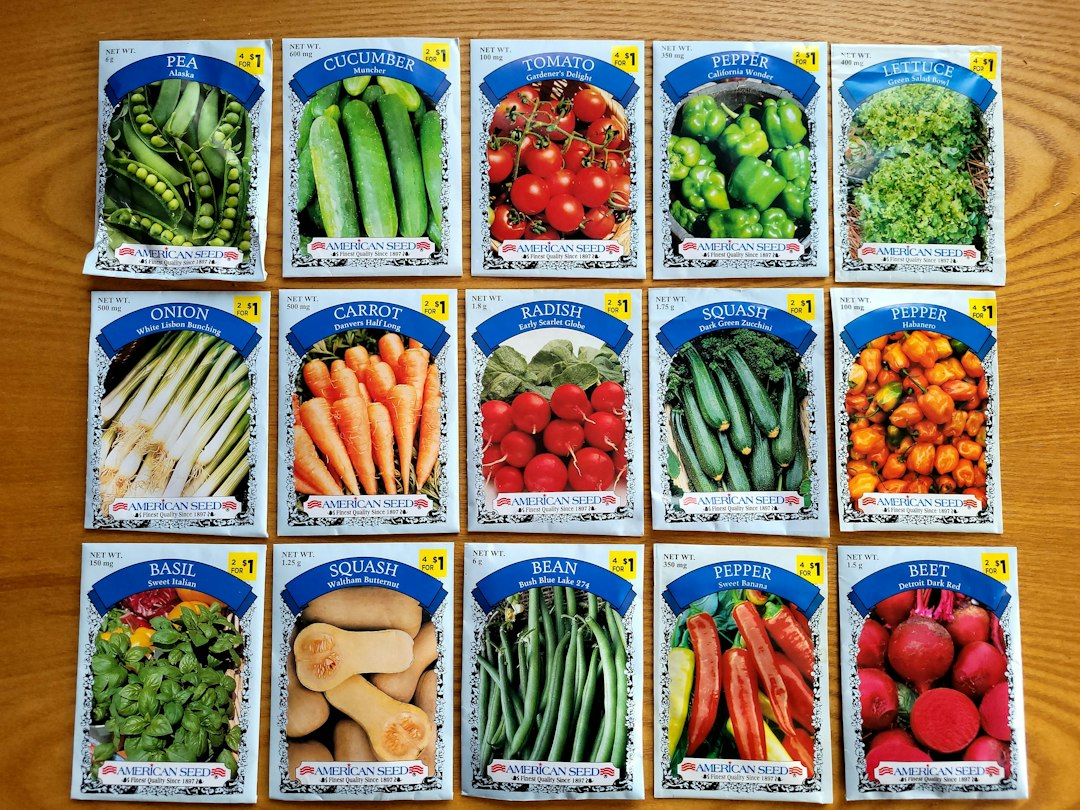
1. Choose the right plants
Save seeds from healthy, productive plants that show the characteristics you want to keep. Open-pollinated varieties can reproduce true to type when they are not cross-pollinated by a different compatible variety. Seeds from many F1 hybrids may grow, but their offspring can vary considerably. Do not save seed from plants showing possible seed-borne disease symptoms; consult your local extension service if disease is suspected.
2. Start with tomatoes, beans, or peas
For a beginner, tomatoes and self-pollinating beans or peas are often more manageable than squash or cucumbers. Tomatoes generally self-pollinate, though crossing can occur, especially in some varieties and growing conditions. Beans also generally self-pollinate, but isolation may still be needed for reliable varietal purity.
Saving tomato seeds
- Choose a fully ripe, healthy tomato from the variety you want to preserve.
- Scoop the seeds and gel into a labeled container with a little water. Allow a short fermentation, commonly about 2–3 days at room temperature, checking daily; avoid leaving seeds in a moldy mixture for an extended period.
- Rinse thoroughly, separate the seeds from the pulp, and spread them thinly on a nonstick surface or screen to dry.
- Let them dry completely in a ventilated place out of direct sunlight before storing.
For more about raising tomatoes from the beginning, read our heirloom tomato growing guide.
Saving bean seeds
Leave selected pods on the plant until they are dry and papery, if weather permits. Shell the beans, discard damaged or discolored seed, and finish drying the seeds indoors in a well-ventilated area. Label each variety separately. If wet weather threatens, bring mature pods inside to finish drying rather than leaving them to rot.
3. Be careful with squash, cucumbers, and peppers
Squash and cucumbers are insect-pollinated and can cross with compatible varieties of the same species. For example, zucchini and many summer squashes are both Cucurbita pepo; saved seeds may produce unexpected offspring if flowers were cross-pollinated. Cucumbers can cross with other cucumber varieties, but not with squash. Peppers can also cross between compatible varieties. If you want true-to-type seed, use suitable isolation distances or controlled hand pollination and flower protection. A harvested fruit looking normal does not prove its seeds will grow true to type.
4. Dry, label, and store seeds properly
Moisture and heat shorten seed life. Dry seeds thoroughly, then package them in clearly labeled paper envelopes or other suitable containers. For longer storage, keep properly dried seeds in an airtight container in a cool, dark, dry place; a refrigerator can work if condensation is prevented. Allow a sealed cold container to warm to room temperature before opening it.
Write the crop, variety, harvest year, and any notes about plant health or possible crossing on every packet. Do not assume every saved seed will germinate: test a small sample on a damp paper towel before planting season.
5. Plan now for next year’s garden
Seed saving is easiest when planned before flowering. Keep different varieties clearly identified, learn which crops cross, and decide which plants to reserve for seed instead of harvesting for the table. Biennial vegetables such as carrots usually need to survive a winter and flower in their second growing season, making them a more advanced project.
If you’re preparing garden beds for winter, our fall vegetable garden cleanup checklist can help you get ready for spring. And if you’re choosing hardware to protect your growing area, explore the EZ Hinge farm gate hardware store.
Quick seed-saving checklist
- Identify whether the variety is open-pollinated or hybrid.
- Check the crop’s pollination and crossing risks.
- Select healthy, mature plants and seed.
- Dry seeds fully before sealing for storage.
- Label variety, year, and notes.
- Test germination before sowing next spring.
Local growing conditions matter. For crop-specific isolation and storage advice, consult your state’s Cooperative Extension seed-saving resources.