
Fall Vegetable Garden Cleanup: 6 Steps for Better Soil and an Easier Spring
A productive spring vegetable garden often starts with a few sensible jobs in the fall. You do not need to till every bed or buy a truckload of amendments. The goal is to protect soil, remove disease problems, and leave yourself an easier starting point when planting weather returns.
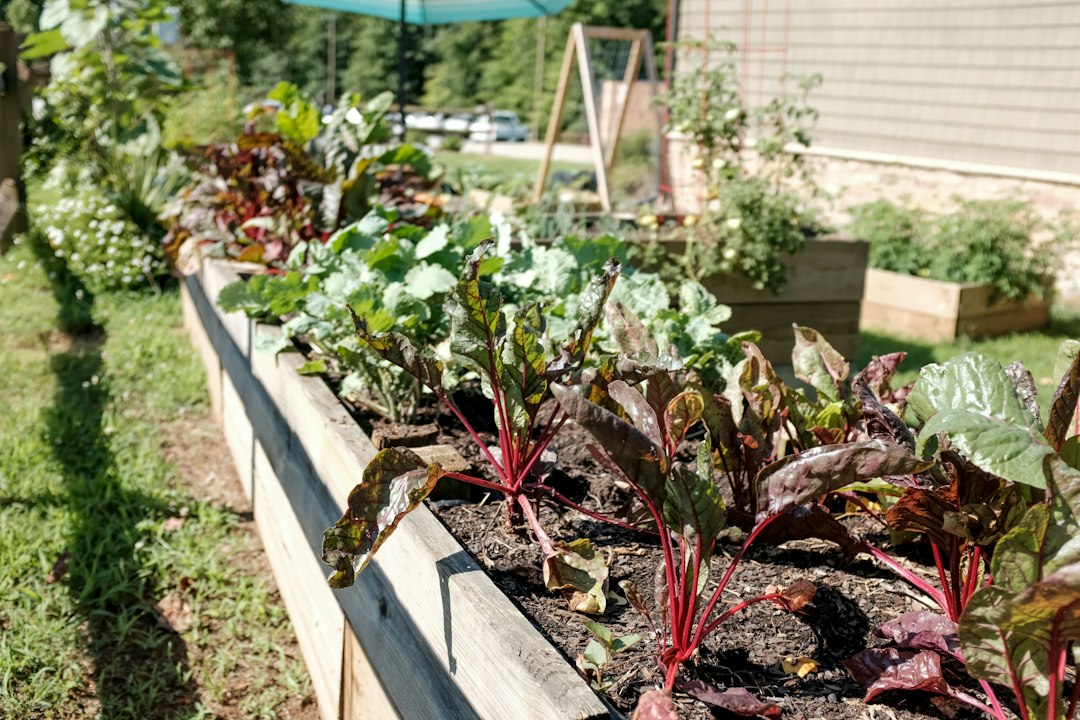
1. Remove problem plants, but keep healthy organic matter
Pull spent annual vegetable plants after harvest. Remove plants showing serious disease symptoms, especially infected leaves and fruit. Follow local guidance for disposing of diseased material; a cool backyard compost pile may not reliably destroy plant pathogens. Healthy, seed-free plant debris can be composted or chopped and left to decompose where appropriate.
Remove mature weeds before they scatter seeds. Check trellises and tomato cages for broken parts, then clean and store them for next season.
2. Protect bare soil with mulch or a cover crop
Bare garden soil is exposed to erosion, crusting, and weed growth. A layer of clean, weed-free straw or shredded leaves can help shield it through winter. Keep thick mulch away from the crowns of overwintering plants so moisture does not collect against them.
Where the season allows, a cover crop such as cereal rye can protect the ground and add organic matter. Cover crops require planning: rye grows again in spring and must be terminated early enough before vegetable planting. If you are new to cover crops, mulching one bed is a simpler first experiment.
3. Test soil before adding lime or fertilizer
Fall is a convenient time to send a soil sample to a local extension soil-testing laboratory. Results can guide pH adjustments and nutrient additions. Avoid applying lime, phosphorus, or large amounts of fertilizer simply because the garden is empty; unnecessary additions can cause nutrient imbalances or runoff.
If you have finished, mature compost, a modest surface application can improve organic matter over time. Use extra care with fresh livestock manure: food-safety risks and nutrient concentrations vary. Do not apply raw manure close to harvest of edible crops, and consult extension recommendations for timing.
4. Make a simple garden map
Before forgetting what grew where, sketch your beds and record crop varieties, planting dates, pests, and harvest results. Rotating crop families when space permits can help with some soilborne disease and pest pressures. Tomatoes and peppers are related; cucumbers, cantaloupes, zucchini, and crookneck squash share another family.
Mark the sunniest locations for warm-season crops. Keep a note of any beds that stayed wet after rain, since improving drainage may matter more than adding fertilizer.
5. Plan next year’s seed starting realistically
Use your area’s average last spring frost date as a planning reference, not a guarantee. Warm-season vegetables such as tomatoes and peppers are generally started indoors weeks before outdoor transplanting, while beans and many cucurbits are commonly direct-sown after the soil warms. Always check the variety’s directions and local extension advice.
If you are considering heirloom tomatoes, see our step-by-step heirloom tomato growing guide. A small seed-starting plan is usually more manageable than starting more seedlings than you can transplant and maintain.
6. Inspect the garden perimeter and access gate
Late fall is also a good time to look for loose fencing, gaps where rabbits or other wildlife enter, and gates that drag or fail to latch. Check posts for movement and gate hardware for wear. A gate that swings and latches reliably makes moving compost, tools, and wheelbarrows easier throughout the growing season.
For farm and garden gate hardware, browse the EZ Hinge Farm Gate store. Measure the outside diameter of your gate tubing before choosing compatible hinges.
A manageable weekend checklist
- Remove diseased plants and seed-producing weeds.
- Cover bare soil with suitable mulch or a planned cover crop.
- Take a soil sample if testing is due.
- Record this year’s crops and make a rotation sketch.
- Clean stakes, hoses, and tools before storing them.
- Inspect fencing, gate latches, and hinges.
Bottom line: Healthy soil and a realistic plan matter more than a perfectly bare, freshly tilled garden. A few careful fall tasks can reduce spring work and help you begin the next growing season with fewer surprises.