
How to Grow Heirloom Tomatoes from Seed: A Complete Beginner’s Guide
Growing heirloom tomatoes from seed is a rewarding way to enjoy fresh, flavorful tomatoes while preserving traditional garden varieties. With proper planning and care, you can grow healthy plants from seed to harvest.
Why Grow Heirloom Tomatoes?
Heirloom tomatoes are prized for their distinctive flavors and variety of colors, shapes, and sizes. Heirloom varieties are generally open-pollinated, meaning gardeners can save seed and, if cross-pollination is prevented, grow similar plants the following season.
Popular garden choices include Beefsteak, Roma, and Large Red Cherry tomatoes.
When to Start Heirloom Tomato Seeds
Start tomato seeds indoors approximately 6–8 weeks before your area’s average last spring frost date. Tomatoes prefer warm growing conditions and should not be planted outside while frost is a threat.
How to Start Tomato Seeds Indoors
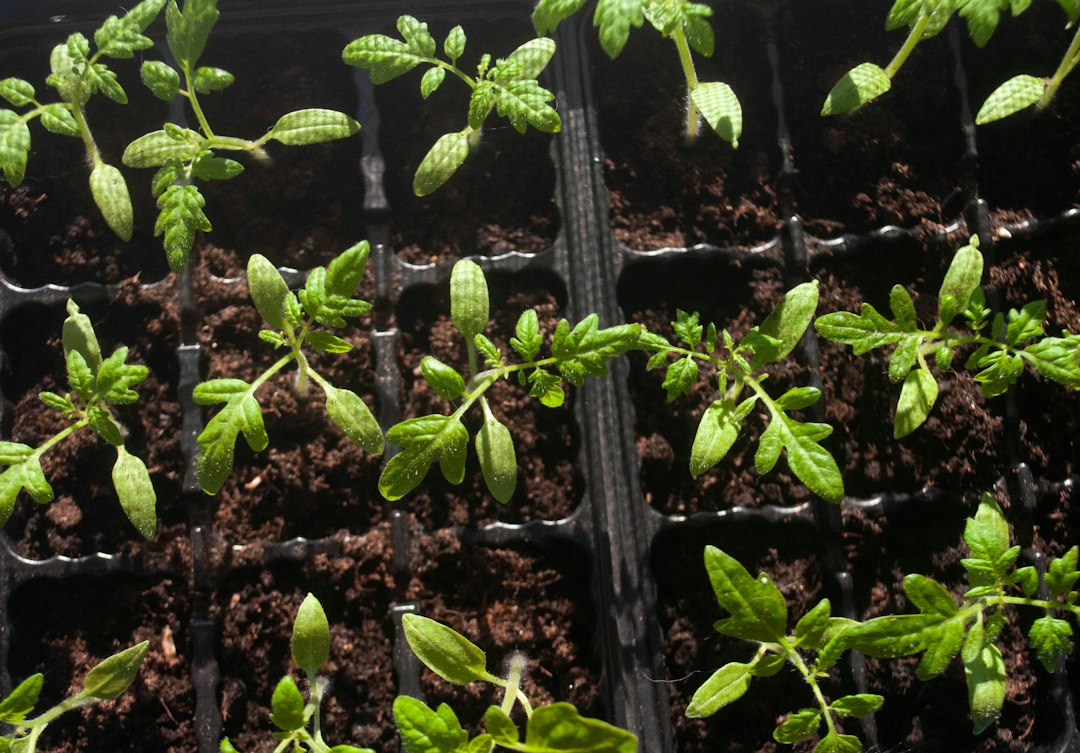
- Fill seed-starting trays with clean, moist seed-starting mix.
- Plant seeds about 1/4 inch deep.
- Keep the mix moist but not waterlogged.
- Maintain a soil temperature around 70–80°F for germination.
- Once seedlings emerge, provide 14–16 hours of bright grow-light exposure daily, or adequate strong natural light.
- Move seedlings into larger pots when they have true leaves and outgrow their containers.
Tomato seeds commonly germinate in 5–10 days under favorable conditions, though timing varies.
Transplanting Tomato Plants Outdoors
Gradually introduce seedlings to outdoor conditions over 7–10 days, a process called hardening off. Choose a spot with at least 6–8 hours of direct sunlight daily. Transplant after frost danger has passed, when nights are reliably warm and soil temperatures are preferably at least 60°F.
Plant in fertile, well-drained soil. Tomato stems can be planted deeply to encourage additional roots. Install cages, stakes, or trellises early.
Watering and Caring for Your Tomatoes
Tomatoes generally need about 1–2 inches of water weekly, adjusted for rain, soil, and heat. Water near the base of plants and apply mulch to conserve moisture and reduce soil splash.
Avoid excessive nitrogen fertilizer; use soil-test results or label instructions to guide feeding. Watch for hornworms, aphids, leaf spots, and blossom-end rot. Proper spacing, steady watering, and regular inspection help keep plants healthy.
When to Harvest Heirloom Tomatoes
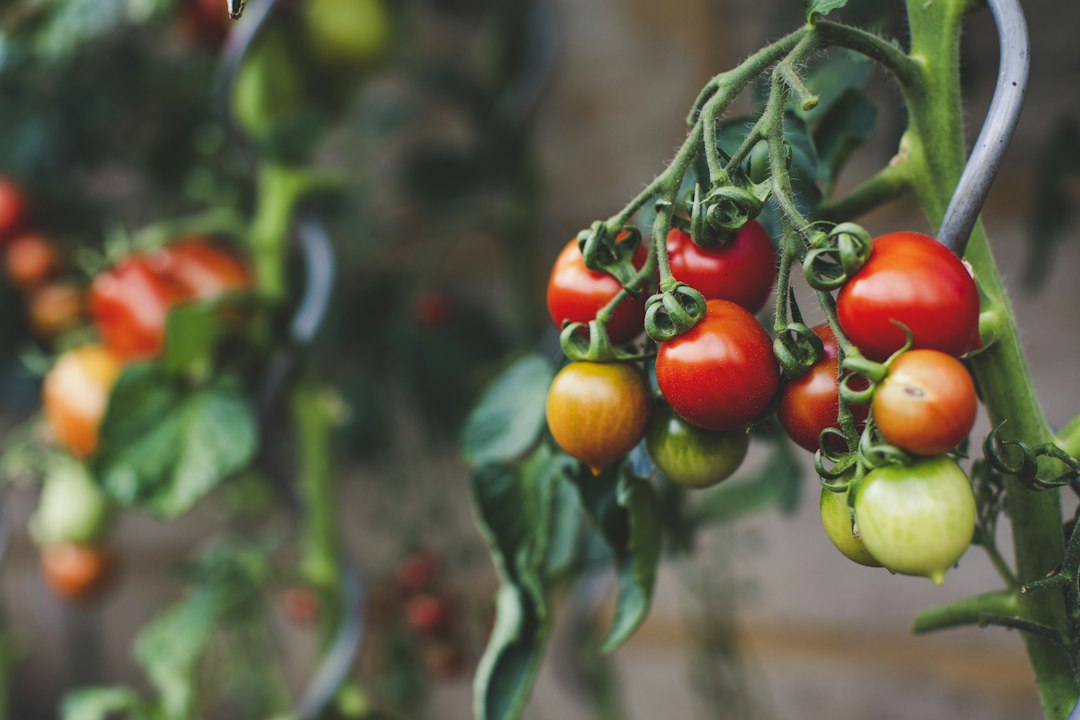
Depending on the variety and conditions, many tomatoes ripen approximately 60–90 days after transplanting. Harvest when fruit reaches its characteristic mature color and gives slightly to gentle pressure. Tomatoes picked at the breaker stage, when color first changes, can finish ripening indoors.
How to Save Heirloom Tomato Seeds
- Choose a fully ripe tomato from a healthy plant.
- Scoop the seeds and surrounding gel into a small container with a little water.
- Allow the mixture to ferment for about 2–3 days, checking it regularly.
- Rinse seeds thoroughly and spread them on a nonstick surface to dry completely.
- Store dried seeds in a labeled container in a cool, dry place.
Tomatoes can occasionally cross-pollinate, so saved seed may not grow true to type unless varieties have been appropriately isolated.
Start Planning Your Next Vegetable Garden
Growing heirloom tomatoes from seed can be an affordable, rewarding way to produce fresh food for your family. Whether you prefer large slicing tomatoes, paste tomatoes, or cherry tomatoes, good seed and consistent care can lead to a productive harvest.
At EZ Hinge Farm Gate, we’re expanding our gardening resources to help home gardeners grow more of their own food. Watch for our upcoming heirloom vegetable seed selection and additional growing guides.