
Farm Fence Line Clearing: A Practical Brush, Branch and Wire Maintenance Guide
A farm fence is only as dependable as the conditions around it. Brush, low branches, fallen limbs and drifting debris can hide damaged wire, interfere with electric fencing and make routine inspection difficult. A planned fence-line maintenance pass can prevent small problems from becoming livestock escapes or expensive repairs.
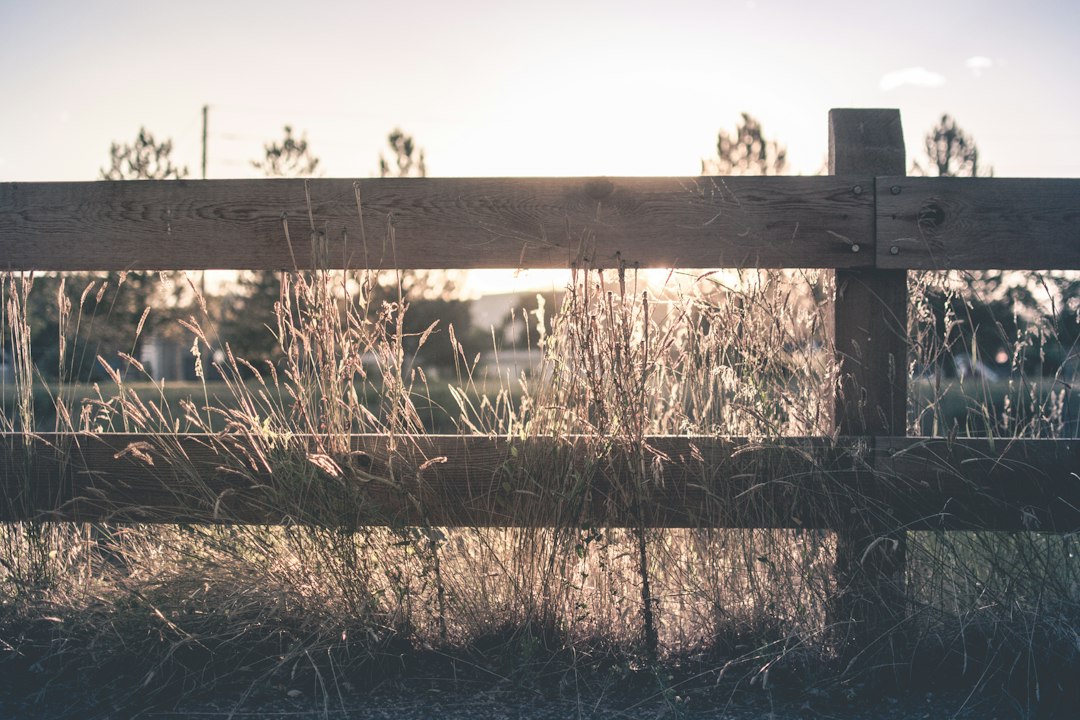
1. Walk the entire fence before cutting vegetation
Start by identifying loose wires, damaged insulators, leaning posts, broken braces, blocked gates and places where animals have pushed against the fence. Look especially closely at low spots, creek crossings, corners and shaded sections where branches collect. Mark repairs so you do not overlook them once trimming begins.
2. Clear the fence without weakening it
Use hand pruners or a brush cutter where appropriate, keeping cutting equipment away from wire, staples and electric conductors. Do not cut into fence posts or remove vegetation in a way that destabilizes streambanks. Leave enough working space to inspect and repair the fence safely. Check for hidden wire before mowing or using a string trimmer.
Where the fence crosses a drainage ditch or waterway, protect the bank from erosion and follow local conservation guidance. A bare strip of soil is not always desirable; low-growing groundcover can reduce erosion while allowing access.
3. Give electric fencing extra attention
Vegetation touching energized wires can reduce fence performance, particularly in wet weather. Before maintenance, switch off the energizer and follow its safety instructions. After trimming, inspect insulators and connections, then restore power and use a suitable fence tester to check voltage at several points. Appropriate voltage depends on the animal species, fence design and energizer manufacturer’s guidance; do not guess from appearance alone.
4. Inspect gates and high-traffic openings
Clear vines and debris from hinges and latches. Open and close each gate to check for dragging, binding and reliable latch engagement. Look for post movement and wear at attachment points. If you have a round-pipe gate, measure the actual outside diameter before shopping for replacement hardware; EZ Hinge sizing is based on maximum allowable outside diameter. See our round-pipe gate measuring guide and browse EZ Hinge gate hardware when a replacement is needed.
5. Repair structural damage before turning livestock out
Vegetation removal does not correct weak end assemblies, inadequate bracing, broken wire or deteriorated posts. Replace or repair damaged components using methods suitable for the fence material and livestock pressure. Follow manufacturer guidance for wire tensioning; over-tensioning can damage posts and create injury risks. Keep animals away from active repair work and loose wire.
6. Build a realistic maintenance schedule
Inspect after severe wind, flooding, heavy snow or fallen trees. During fast-growing months, check vegetation near electric wires more often. In late fall and winter, focus on dead limbs, erosion and gate access. Record problem spots on a simple field map so repeated failures receive a lasting fix rather than another temporary patch.
A practical fence-line checklist
- Walk both sides where access is safe and permitted.
- Mark broken posts, loose wire and damaged braces.
- Remove branches or debris that touch or obstruct the fence.
- Keep appropriate vegetation cover on erosion-prone ground.
- Test electric fence operation after maintenance.
- Open, close and latch every frequently used gate.
- Reinspect repairs before livestock return to the area.
For more seasonal checks, read 7 Farm Fence and Gate Checks Before Winter. Consistent inspections, thoughtful vegetation management and prompt structural repairs make a safer, more manageable fence line.