
7 Farm Fence and Gate Checks Every Small Farm Should Make Before Winter
On a small farm, a gate that drags, a loose corner post, or a broken latch can turn an ordinary chore into a livestock escape. A seasonal fence walk is one of the simplest ways to spot trouble before it becomes a larger repair. This checklist focuses on practical fixes for hobby farms and cattle pastures.
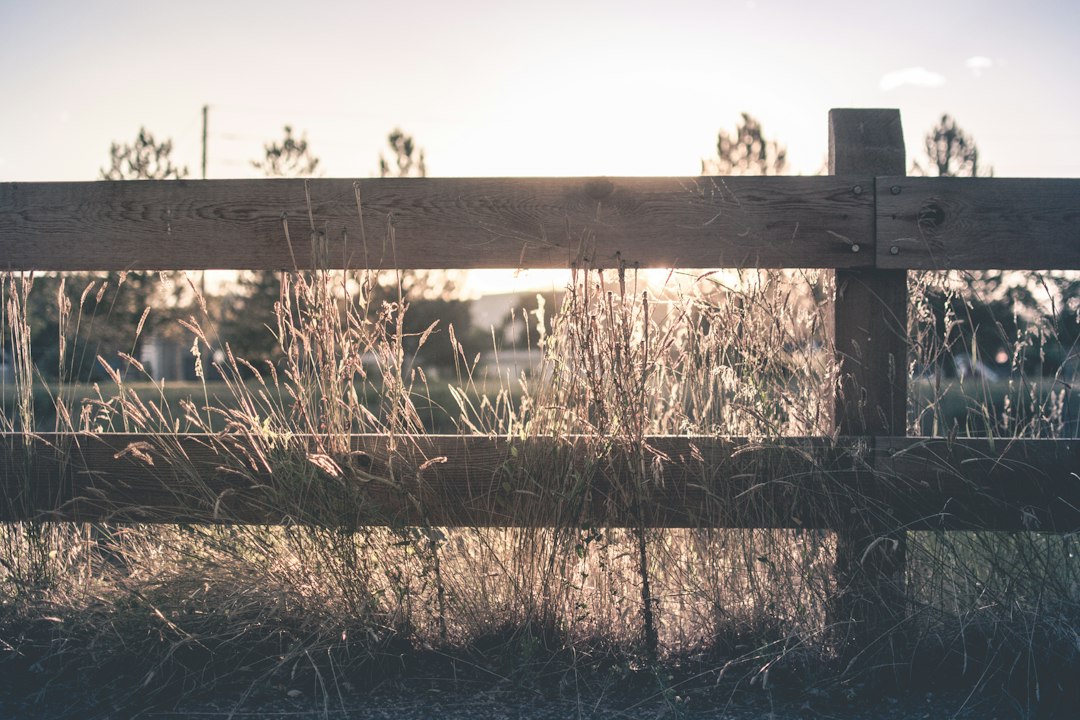
1. Walk the full fence line before bringing tools
Start with a notebook or your phone. Look for leaning posts, loose staples, broken insulators, sagging wire, vegetation touching electric fencing, washed-out areas, and places where animals have been rubbing. Mark each problem so you can return with the right materials. Inspect after major storms and whenever livestock behavior suggests a weak spot.
2. Pay special attention to corners and end posts
Corner and end assemblies carry substantial tension in many wire-fence systems. A leaning brace or loose anchor can affect a long stretch of fence. Check for rot at the ground line, movement, cracked wood, and failed connections. If a tensioned fence needs rebuilding, use an appropriate brace design and follow the fence manufacturer’s guidance; releasing or tightening high-tensile wire can be hazardous.
3. Check every gate for sagging and binding
Open and close each pasture gate slowly. Does it scrape the ground, swing unexpectedly, or require lifting to latch? Check the hinge-side post first: even good hardware cannot compensate for a post that has shifted. Inspect hinge bolts, pins, mounting surfaces, and latch alignment. Replace damaged components with hardware rated for the gate’s size and weight. Never work beneath an unsupported heavy gate.
For more gate-specific troubleshooting, see our farm gate hinge installation checklist. You can also browse EZ Hinge farm gate hardware when a gate needs replacement parts. Confirm the gate and post dimensions before ordering.
4. Inspect wire and mesh at livestock height
Look for protruding wire ends, sharp broken welds, holes, loose clips, and bottom gaps where animals may push through. Cattle may lean on a weak section, while calves can exploit openings that adult animals cannot. The right fence height, wire spacing, and construction depend on the livestock species, age, temperament, terrain, and whether the fence is a perimeter or interior division. Do not assume a fence suitable for adult cattle is automatically calf-safe.
5. Test electric fencing instead of guessing
If your system uses electric fencing, test voltage with a purpose-built fence tester according to the energizer manufacturer’s instructions. Check the power supply, grounding system, connections, insulators, and vegetation load. A fence that looks intact may not be delivering an effective pulse. Disconnect power before repairs, and never use household electrical wiring as a substitute for an approved fence energizer.
6. Address drainage, mud, and winter access
Gate openings often become muddy because traffic concentrates there. Look for runoff crossing the entrance, erosion around posts, and ruts that make gates hard to swing. Where appropriate, redirect clean surface water and improve the approach with properly installed aggregate and drainage. Protect waterways and check local requirements before changing drainage patterns. Make sure vehicles can still reach water points, hay storage, and livestock areas during bad weather.
7. Keep a small repair kit ready
Useful supplies may include compatible fence clips or staples, replacement insulators, a fence tester, hand tools, appropriate protective equipment, and a few spare gate fasteners. Choose materials suited to the existing fence system. Keep children and livestock clear of active repairs, especially where wire is under tension.
A simple 20-minute gate check
- Observe the gate from a distance for sagging or a leaning post.
- Open and close it fully; note scraping, binding, or a loose latch.
- Inspect the hinges and fasteners for wear or movement.
- Look at the fence connections on both sides of the opening.
- Record any repairs requiring tools, help, or replacement parts.
Bottom line: A consistent inspection routine is usually easier than dealing with an unexpected escape or a gate that fails when you need it. For a broader seasonal approach, read our fall pasture fence maintenance checklist.