
Plan Next Year’s Vegetable Garden Before Winter: A Small-Farm Checklist
When the last harvest is finished, it is tempting to put away the garden tools until spring. But a quiet afternoon in late fall is an excellent time to plan next year’s vegetable garden. A simple map, a seed inventory and a few notes about this season can save money and prevent rushed decisions when planting weather arrives.
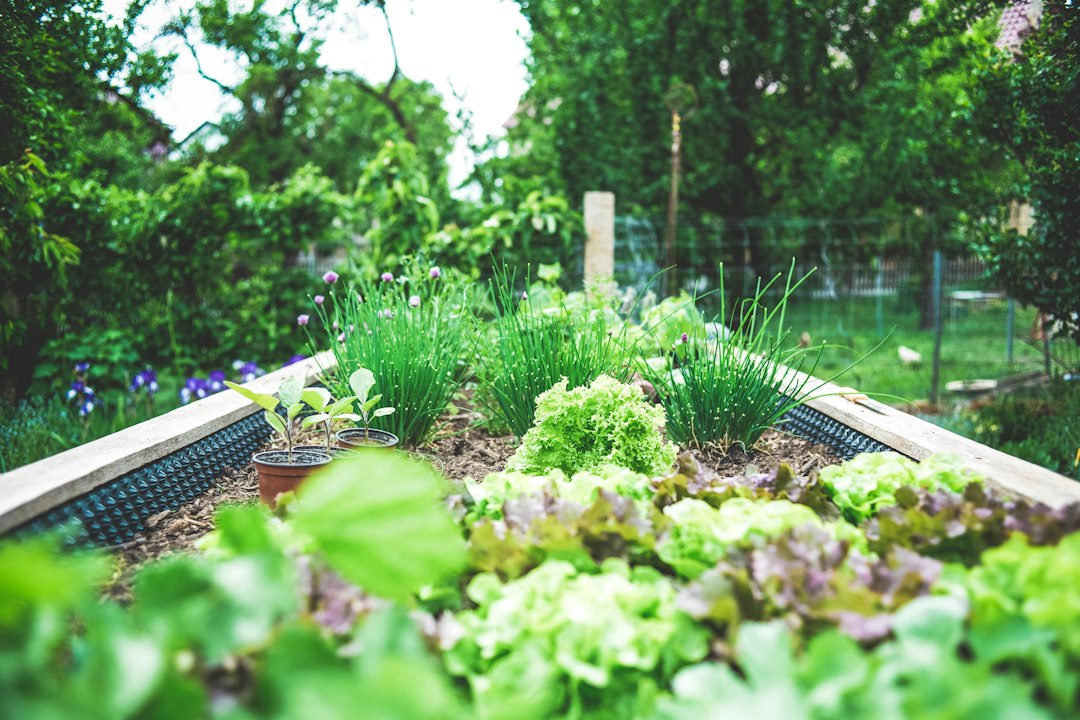
1. Draw a map of the beds and rows
Use graph paper, a notebook or a simple sketch. Mark each bed’s approximate dimensions, sunny and shaded areas, paths, water access, compost areas and gates. Note where tomatoes, beans, squash and other crops grew this year. You do not need a perfect drawing: the goal is to know what fits and where you can reach it for watering and harvesting.
On a small acreage, also think about access for wheelbarrows, hoses and equipment. A gate that opens fully and a clear path to the compost pile can make routine chores easier. If you are improving access, see our farm gate hinge installation checklist.
2. Rotate vegetable families where space allows
Crop rotation helps reduce the buildup of some pests and diseases that affect related crops. Tomatoes, peppers, potatoes and eggplants are in the nightshade family; cucumbers, melons and squash are in the cucurbit family; beans and peas are legumes. If you have enough space, move each family to a different bed rather than planting it in exactly the same place every year. A three- to four-year rotation is a useful goal, but small gardens may not have room for it. If rotation is limited, prioritize sanitation, resistant varieties and healthy soil.
3. Decide what you will actually eat or preserve
Before ordering seeds, list the vegetables your household uses most. For each crop, decide whether you want fresh eating, canning, freezing, storage or a combination. Consider mature plant size, the length of your growing season and how much time you can spend harvesting. A few productive beds are often more manageable than an oversized garden.
Plan a mix of quick crops such as radishes and lettuce with longer-season crops such as tomatoes and peppers. If space allows, use succession planting—sowing another suitable crop after an early harvest—to spread production across the season.
4. Inventory and check stored seeds
Gather leftover packets and record the variety, year purchased or packed, and approximate quantity remaining. Keep seeds cool and dry in clearly labeled containers. Older seeds may still sprout, but germination can decline with age and storage conditions. Before relying on older packets, test a small sample on a damp paper towel in a labeled container or bag, keeping it at an appropriate temperature for that crop. Count how many germinate and compare the result with how many you tested; for example, 8 of 10 equals 80%. Use the result as a rough planning guide rather than a laboratory germination guarantee.
If you plan to save your own seed, our beginner’s guide to saving vegetable seeds explains important considerations.
5. Arrange a soil test before adding amendments
A soil test can help identify pH and nutrient needs. Contact your local cooperative extension office for sampling instructions and an appropriate laboratory. Avoid applying lime or fertilizer based only on guesswork. If the soil is wet enough to stick to your shovel or form a dense ball, avoid digging or tilling it: working saturated soil can cause compaction and damage structure.
After removing diseased plant debris, protect bare ground with mulch or an appropriately chosen cover crop. For options suited to small farms, read our comparison of rye, oats and winter wheat cover crops. Fall planting windows vary by region, and it may already be too late to establish some cover crops this season.
6. Build a planting calendar for your climate
Find your local average last spring frost date and consult regional extension planting guides. It is an estimate, not a guarantee of frost-free weather. Note which vegetables prefer cool conditions and which require warm soil. For example, peas and radishes can often be sown earlier than beans, cucumbers and squash. Tomato and pepper transplants generally need protection from frost. Use seed-packet instructions and actual soil conditions rather than relying on one universal calendar.
7. Check garden fencing, water and supplies
Walk the perimeter and inspect garden fencing for gaps, loose staples, damaged posts and gates that do not latch. Identify likely deer, rabbit or livestock access points before tender seedlings are planted. Check hoses, irrigation fittings, seed trays, labels and hand tools. Replace only what you need, and keep a short list for winter shopping. For general fence upkeep, see our small-farm fence and gate inspection checklist.
A one-page winter planning checklist
- Sketch beds, paths, water access and gates.
- Record this year’s crop locations and problems.
- Choose vegetables based on family use and available space.
- Inventory seeds and test questionable older lots.
- Arrange a soil test and plan amendments from results.
- Write down local planting windows.
- Inspect fencing, irrigation and seed-starting supplies.
Bottom line: A practical garden plan does not need to be complicated. A map, a few records and a realistic planting calendar can help a small farm grow more efficiently next season.