
Fall Cover Crops for Small Farms: Rye, Oats or Winter Wheat?
After the last harvest, an empty vegetable plot or small crop field can lose soil to wind and heavy rain. A cover crop is planted mainly to protect and improve the ground rather than to harvest for sale. For small-acreage growers, the best choice depends on when the field becomes available, your local first frost, and what you plan to grow next spring.
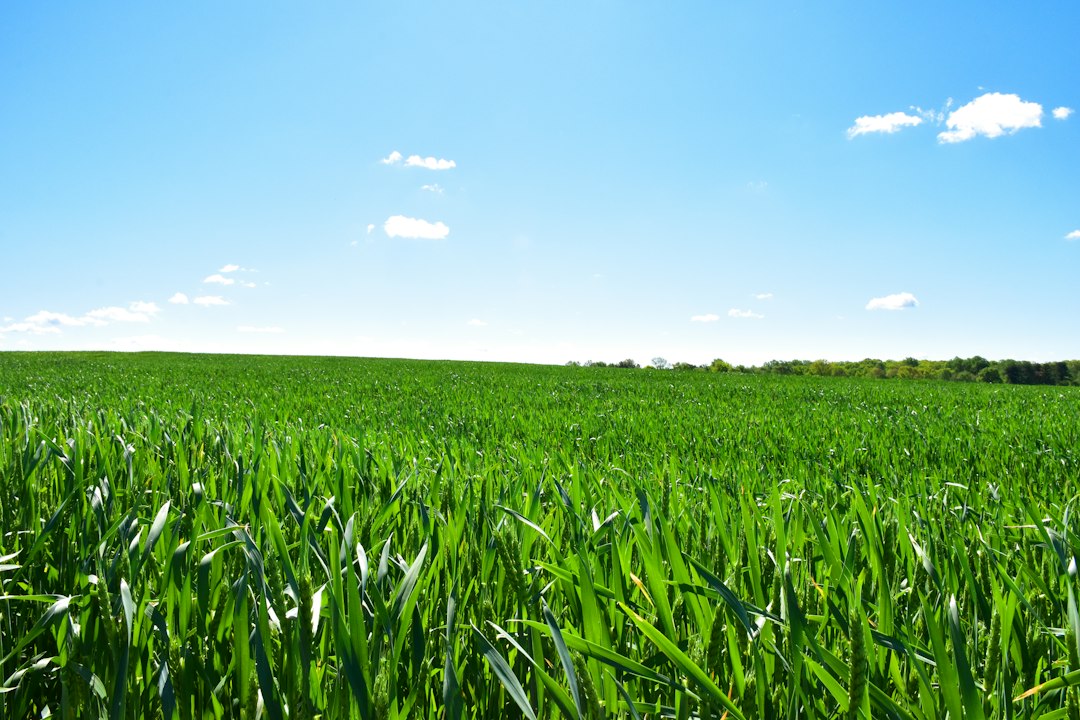
1. Start with the field’s next use
Write down whether the area will hold early spring vegetables, later-planted tomatoes or squash, or a future forage planting. This matters because a winter-hardy cover crop keeps growing in spring and must be terminated before the next crop. A crop that winterkills may leave residue without requiring spring termination, but it needs enough fall growing time to establish.
2. Compare three practical cover crop options
Winter cereal rye: for later fall planting
Winter cereal rye (Secale cereale) is hardy and can establish later in fall than many alternatives. Its roots help hold soil and take up leftover nutrients. The trade-off is spring management: rye regrows vigorously and needs a reliable termination plan. Do not confuse cereal rye with annual ryegrass; they are different crops with different management needs.
Oats: for fields cleared earlier
Oats can produce useful fall cover when seeded with adequate time before hard freezes. In many colder climates they winterkill, leaving residue that is easier to manage before spring planting. If the field only becomes available in November, oats are usually too late to provide meaningful growth in much of the Midwest.
Winter wheat: another overwintering grass
Winter wheat may fit a grower who wants winter cover with less spring biomass than rye in some conditions. It generally needs an earlier planting window than cereal rye. Like rye, it must be managed before the next crop and should not be left to produce unwanted seed.
3. Check timing before buying seed
Planting windows vary by county, weather and crop. By mid-November, many northern and central U.S. farms are beyond the ideal window for oats and winter wheat, and even rye establishment becomes less certain. In warmer regions, opportunities may remain. Check the Midwest Cover Crops Council selector or your local cooperative extension office for location-specific dates. If the ground is frozen, waterlogged or too late for reliable establishment, protect exposed soil with appropriate mulch or retained crop residue and plan an earlier cover-crop planting next season.
4. Prepare a small test area
- Pick a manageable plot. Try one garden bed or a small field strip before committing acreage.
- Remove problem weeds and diseased crop debris. Avoid spreading infected residue around the farm.
- Check the soil. Use a soil test to guide fertilizer and lime decisions rather than guessing.
- Seed at the recommended rate and depth. Drilling and broadcasting require different rates; follow local extension guidance and the seed supplier’s instructions.
- Watch for establishment. Moisture, seed-to-soil contact and temperatures determine whether the stand succeeds.
5. Plan spring termination now
Before planting rye or wheat, decide how and when you will stop its growth. Depending on your system, options can include mowing at an appropriate growth stage, tillage, or labeled herbicides used according to directions. Mowing young cereal rye alone may not kill it. Dense rye residue can also temporarily tie up nitrogen or delay soil warming. Vegetable growers should allow adequate time between termination and planting; University of Minnesota Extension suggests roughly three weeks for overwintering grass residue to break down in many vegetable systems.
6. Keep farm access and fences in the plan
Cover crops are easier to manage when equipment can reach the plot without damaging gates, fence lines or muddy entrances. Before moving a seeder or mower, inspect gate swing and latch clearance. Our farm fence and gate inspection checklist can help with that seasonal job. If a gate is sagging, review our gate hinge installation checklist before replacing hardware. Browse EZ Hinge farm gate hardware when a repair calls for new parts.
Simple fall cover crop decision checklist
- What is the next crop and its expected planting date?
- Is there enough growing season left for establishment?
- Will this cover crop winterkill or survive until spring?
- How will it be terminated without delaying planting?
- Can the field be accessed without rutting wet soil?
Bottom line: A small, well-timed cover crop trial teaches more than a large planting without a spring plan. Choose the species for your local season and next crop, not simply because seed is available.
Further reading: University of Minnesota Extension: Getting started with cover crops and Cover crop selection for vegetable growers.