
How to Plan Strong Fence Corners and Gate Posts on a Small Farm
A fence line is only as dependable as the posts that carry its tension. On a small farm, corners, ends and gate openings deserve special attention because they take loads that ordinary line posts do not. Planning these anchor points before stretching wire can save repairs later.
1. Identify the places that need bracing
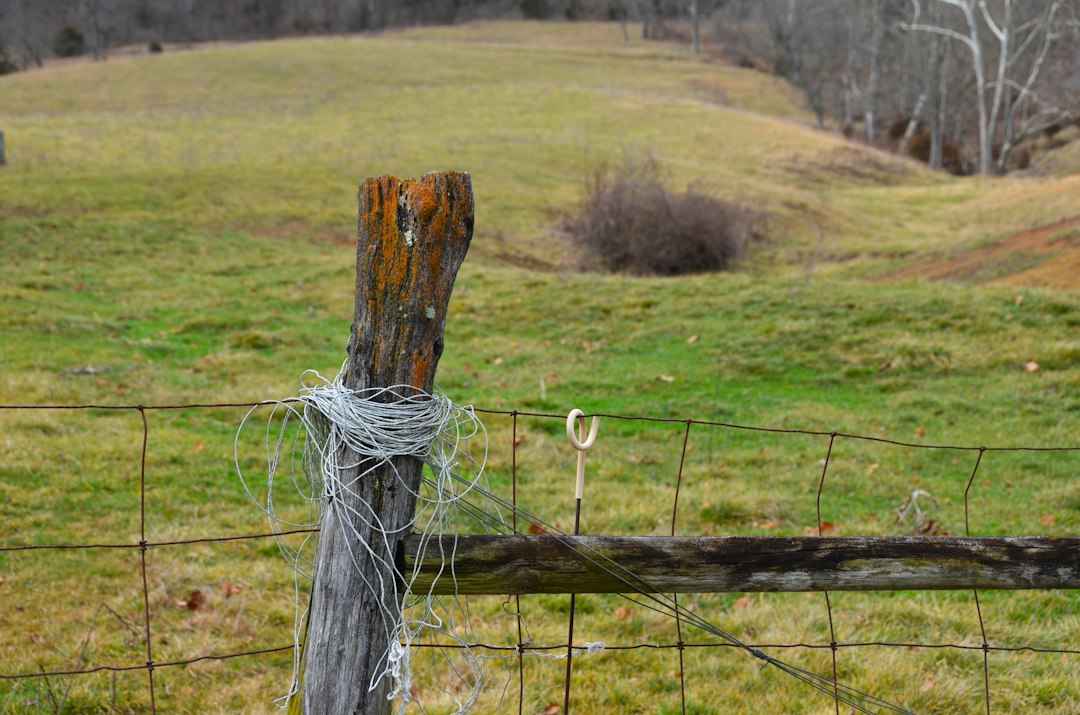
Walk the proposed fence route and mark every corner, terminal end, major change in direction and gate opening. A wire fence under tension pulls on its anchor posts. A corner post may be pulled in two directions, while a gate post must also carry the gate’s weight and repeated movement.
2. Match the brace to the fence
A properly built H-brace typically uses two substantial posts joined by a horizontal brace and diagonal tension member. The exact post size, embedment depth, spacing and bracing arrangement depend on soil, fence height, wire type, tension and local frost conditions. High-tensile fencing can impose substantial loads; follow the fence-system manufacturer’s design and local extension guidance rather than copying a brace from a light garden fence.
For long runs or unusually high loads, a double brace or engineered assembly may be appropriate. In weak or wet soil, simply using a larger post may not solve movement; foundation and drainage conditions matter.
3. Plan the gate opening as part of the fence structure
Measure the actual gate width, allow for hinge and latch clearance, and make sure the gate can swing without striking uneven ground. A hanging gate puts bending force on its support post, so avoid relying on an inadequately braced line post. For round-pipe gates, confirm the actual outside diameter before choosing hardware. See our farm gate hinge installation checklist and EZ Hinge farm gate hardware for related information.
4. Keep wire tension and safety in mind
Set and brace anchor posts before tensioning the wire. Use the tensioning equipment and protective gear specified for your fencing material; stretched wire can recoil dangerously if it breaks or slips. Keep bystanders and animals away from the work area. Barbed wire and electric fencing have additional handling and placement considerations, especially near public access or where horses are kept.
5. Check alignment before finishing
Stand back and sight along the line. Look for leaning posts, loose brace connections, uneven wire tension and gates that drag or swing unexpectedly. Check local utility locations before digging and consult applicable property-line and fencing requirements.
A practical planning checklist
- Mark corners, ends, gates and changes in direction.
- Choose a bracing design suitable for the fence type and soil.
- Confirm gate swing, clearance and support-post strength.
- Locate buried utilities before post-hole work.
- Inspect the assembly before and after wire tensioning.
Strong corners and gate supports make the rest of the fence easier to maintain. For seasonal follow-up, read our small-farm fence and gate inspection checklist.