
How to Use Worm Castings in Vegetable Gardens: Beds, Pots and Seed Starting
Worm castings—material produced by earthworms as they break down organic matter—can be a useful addition to vegetable garden soil and potting mixes. They are a soil amendment, not a guaranteed cure for poor soil or a complete replacement for fertilizer. Here is how to use them without overdoing it.
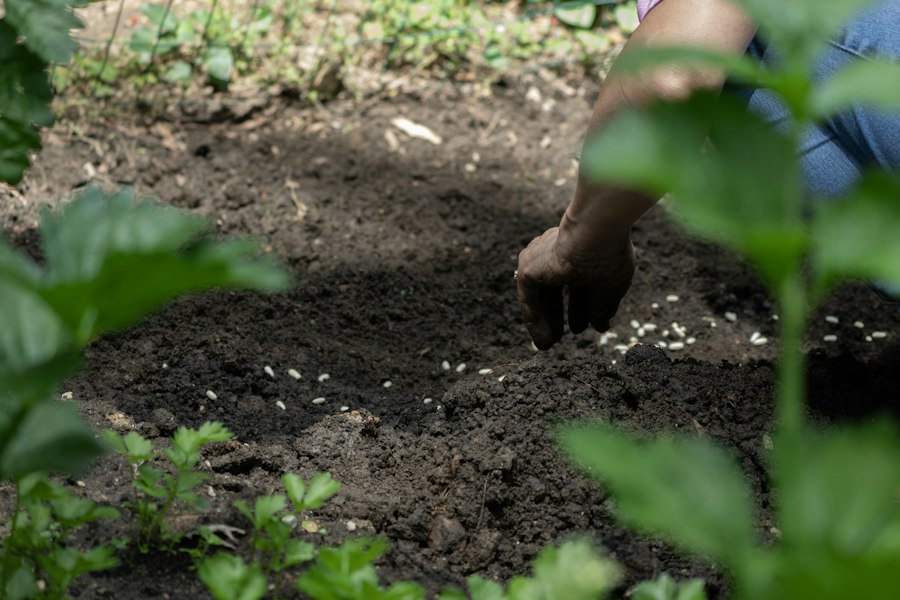
What worm castings can do
Finished worm castings contain organic matter and some plant nutrients. They may help with soil moisture retention and structure, depending on the starting soil and product. Nutrient content varies, so a soil test remains the best starting point for deciding whether your garden needs additional fertilizer.
Using worm castings in raised beds and in-ground gardens
- Remove weeds and loosen compacted surface soil without working it while saturated.
- Spread a modest, even layer of finished castings around the planting area, following the product label for application amounts.
- Blend gently into the upper soil where practical, or leave as a topdressing and water it in.
- Mulch after planting to help conserve moisture and reduce weeds.
Do not assume that adding more castings always gives better growth. Very heavy applications may be wasteful, and the right amount depends on the soil, crop and product.
Adding castings to container mixes
Use a small portion of castings blended with a quality potting mix, following the manufacturer’s directions. Avoid filling pots with castings alone: roots also need adequate drainage and air space. Containers dry out and accumulate salts differently than garden beds, so monitor moisture and plant response.
What about starting seeds?
For germination, a clean, fine-textured seed-starting mix is usually the most dependable choice. Large amounts of compost or castings can change moisture and aeration. If you want to experiment, use a modest amount in a suitable mix and compare results with your usual method. Once seedlings have true leaves, follow a crop-appropriate feeding plan.
When to apply them
Spring bed preparation and transplanting are convenient times. You can also lightly topdress established vegetables during the growing season. Avoid placing concentrated material directly against tender stems, and water according to the crop’s needs.
Choosing a worm castings product
Look for a clearly labeled, mature product with directions for garden or container use. Keep it stored dry and protected from contamination. For gardeners who prefer to purchase a ready-to-use product, here is one option:
View Wiggle Worm Castings on Amazon
As an Amazon Associate, I earn from qualifying purchases.
Keep the bigger soil picture in mind
Worm castings work best as one part of good soil care: test soil when needed, add appropriate organic matter, maintain drainage, rotate crops and protect the surface with mulch or cover crops. For more seasonal ideas, read Fall Vegetable Garden Cleanup and Winter Crop Planning for Small Farms. You can also explore more articles in our Growing Guides category.